







What Makes Halftone Design Useful for Custom Apparel?
Custom apparel design combines visual creativity with technical preparation to produce graphics that look attractive on finished garments. Halftone effects add depth, texture, and tonal variation by arranging dots in carefully controlled patterns. A dtf halftone maker can help designers develop these effects for direct-to-film printing, offering a practical approach to transforming photographs, illustrations, and shaded artwork into distinctive designs. Understanding the relationship between image resolution, dot frequency, contrast, and print dimensions makes it easier to prepare artwork that aligns with creative goals and production requirements.
How Does Halftone Conversion Create Different Shades?
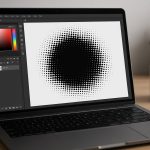
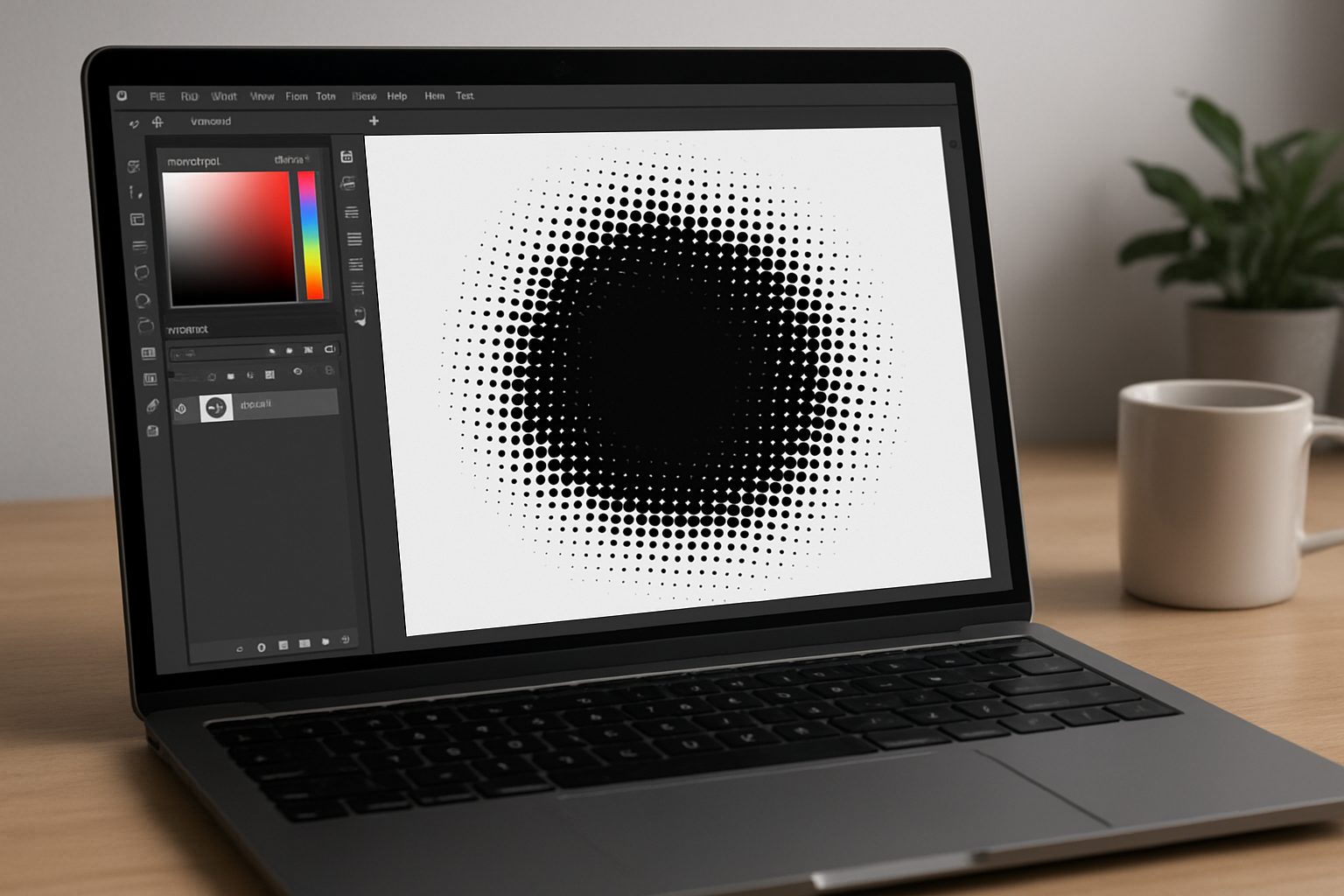
Halftone conversion represents tonal information through patterns of dots rather than relying entirely on continuous shading. Darker regions generally contain greater dot coverage, while lighter regions use less coverage to create the appearance of highlights.
This principle allows designers to preserve the visual structure of portraits, illustrated characters, landscapes, and decorative graphics. The resulting patterns can create a retro aesthetic, enhance streetwear designs, or introduce subtle texture into contemporary apparel collections.
Dot size and spacing determine how prominent the pattern appears. Carefully selected settings help balance the visibility of the halftone effect with the recognition of the original image.
Which Statistics Matter Most in Halftone Artwork Preparation?
Several measurable characteristics help establish an effective design workflow. Each measurement contributes to a different aspect of image quality and print readiness.
300 PPI: A common resolution target for detailed raster artwork prepared at its intended print size.LPI frequency: Lines per inch describe halftone pattern density and influence the apparent fineness of the dots.Tonal coverage: The distribution of highlights, midtones, and shadows helps preserve depth and recognizable image features.Image dimensions: Pixel width and height determine the available image detail when artwork is scaled for printing.Dot diameter: The size of individual dots affects texture, visual weight, and the clarity of fine elements.Aspect ratio: Preserving the original proportions helps maintain the intended composition without stretching the artwork.
300 PPI: A common resolution target for detailed raster artwork prepared at its intended print size.
LPI frequency: Lines per inch describe halftone pattern density and influence the apparent fineness of the dots.
Tonal coverage: The distribution of highlights, midtones, and shadows helps preserve depth and recognizable image features.
Image dimensions: Pixel width and height determine the available image detail when artwork is scaled for printing.
Dot diameter: The size of individual dots affects texture, visual weight, and the clarity of fine elements.
Aspect ratio: Preserving the original proportions helps maintain the intended composition without stretching the artwork.
These figures provide useful reference points, while the ideal settings depend on the printing equipment, source image, garment, and production workflow.
How Can Designers Choose the Right Halftone Settings?
Selecting suitable settings begins with understanding the artwork’s purpose. A bold graphic for a dark T-shirt may require a different tonal treatment from a detailed portrait intended for a light-colored garment.
Designers can start with a high-quality source image and review its contrast before conversion. Clear separation between important elements helps maintain definition after the halftone effect is applied.
The intended print size also deserves attention. A pattern that looks refined on a large monitor may appear different when printed on a smaller chest graphic. Previewing the design at its actual dimensions helps evaluate dot visibility, image balance, and overall readability.
What Benefits Does Halftone Styling Bring to DTF Projects?
Halftone styling offers creative versatility across multiple apparel categories. Fashion brands can use textured illustrations to establish a recognizable collection style, while custom printing businesses can develop personalized portraits and expressive graphic designs.
The technique also supports visual consistency across related products. Adjusting pattern density or contrast can create coordinated variations while maintaining the core identity of a design.
For production teams, a well-prepared file provides a clearer starting point for printing. Appropriate dimensions, clean edges, and carefully reviewed tonal details help connect the creative stage with the manufacturing process.
How Can Consistent Measurements Improve Workflow Efficiency?
Documenting important settings makes artwork easier to reproduce and revise. Keeping records of resolution, pattern frequency, image dimensions, and contrast adjustments provides a practical reference for repeat orders.
A consistent review process can also simplify collaboration between designers and print operators. Checking transparency, inspecting small details, and confirming export specifications helps ensure that the artwork is ready for the intended workflow.
These practices support organized production while allowing designers to experiment with different visual styles.
Conclusion: Creating Better Artwork with a DTF Halftone Maker
Halftone design brings measurable image characteristics together with creative expression. Resolution, dot frequency, tonal coverage, and print dimensions all contribute to the appearance of the final graphic. By understanding these factors and following a consistent preparation process, designers can develop distinctive artwork for custom T-shirts, fashion collections, and personalized merchandise. A thoughtful approach to halftone creation supports visual consistency, flexible design development, and professional presentation across a variety of DTF printing projects.
Bottom of Form
Key Points
- Halftone effects utilize controlled patterns of dots to add depth, texture, and tonal variation to custom apparel designs.
- A dtf halftone maker assists designers in transforming photographs and illustrations into unique designs suitable for direct-to-film printing.
- Key statistics in halftone artwork preparation include resolution (300 PPI), LPI frequency for dot density, tonal coverage, image dimensions, dot diameter, and aspect ratio for maintaining composition.
- Designers must consider the purpose of the artwork and contrast of the source image when selecting halftone settings for different print sizes.
- Halftone styling allows for creative versatility and visual consistency across various apparel categories, enhancing the identity of fashion collections.
- Documenting relevant measurements and settings improves workflow efficiency and facilitates collaboration between designers and print operators.