



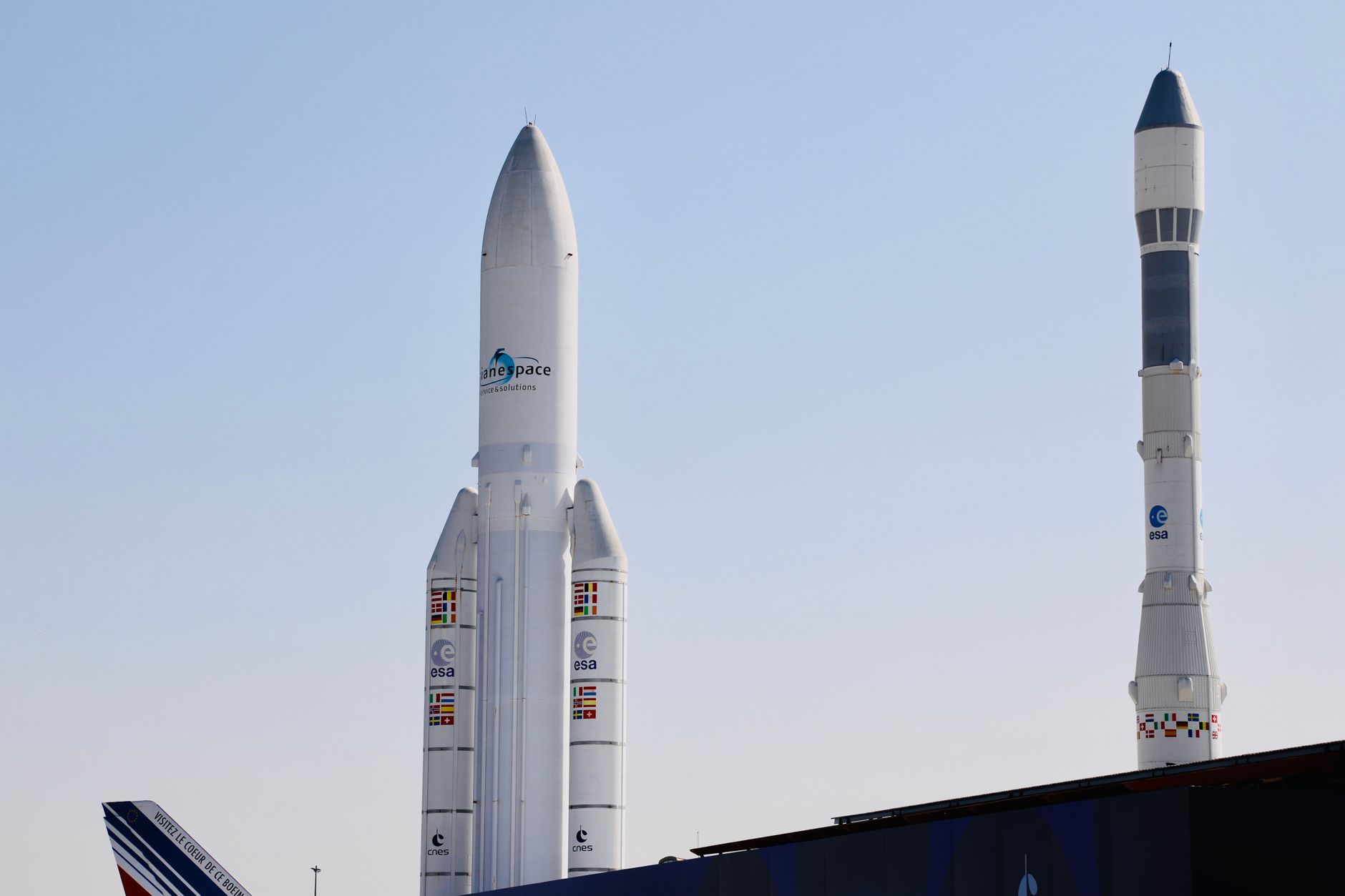
China CERES-2 rocket has successfully launched four satellites into orbit, marking a significant achievement in their space exploration efforts.
Overview of the CERES-2 Rocket Launch
The recent launch of China’s CERES-2 rocket marks a significant milestone in the country’s space exploration efforts. With the successful deployment of four satellites, this mission highlights the capabilities of the CERES-2 rocket as a reliable vehicle for satellite launches.
The CERES-2 rocket is designed to accommodate various payloads, making it a versatile option for different types of satellite missions. This launch not only demonstrates China’s advancing technological prowess but also reinforces its commitment to expanding its presence in space.
Key features of the CERES-2 rocket include:
- Enhanced payload capacity for larger satellites.
- Improved launch timelines, allowing for more frequent missions.
- Advanced propulsion technology that increases efficiency and reduces costs.
As China continues to innovate in aerospace technology, the CERES-2 rocket is poised to become a leading choice for launching satellites into orbit, paving the way for future missions and collaborations in the space sector.
Significance of the Four Satellites
The recent launch of China’s CERES-2 rocket has garnered attention not only for its technological advancements but also for the significance of the four satellites it carried into orbit. Each satellite serves a unique purpose that could enhance various sectors, from environmental monitoring to telecommunications.
- Environmental Monitoring: One of the satellites is designed to track climate changes and natural disasters, providing crucial data to scientists and policymakers.
- Telecommunications: Another satellite aims to improve communication networks across remote areas, facilitating better connectivity for underserved populations.
- Earth Observation: A third satellite focuses on high-resolution imaging, which is vital for urban planning and agricultural management.
- Scientific Research: The last satellite is dedicated to conducting experiments in space, contributing to our understanding of microgravity effects.
Overall, the launch of the CERES-2 rocket carrying these four satellites marks a significant step forward in satellite technology, showcasing China’s commitment to enhancing its capabilities in space exploration and research.
China’s Advancements in Space Technology
In recent years, China has made significant strides in space technology, positioning itself as a leading player in the global aerospace sector. The launch of the CERES-2 rocket marks another milestone in this ambitious journey, showcasing advancements that enhance satellite deployment capabilities.
One of the key improvements in China’s space technology is the development of more robust and reliable launch vehicles. The CERES-2 rocket features innovative designs that allow for greater payload capacity and efficiency, making it an attractive option for various satellite missions.
Additionally, China has invested heavily in research and development, leading to breakthroughs in propulsion systems and materials science. These advancements not only improve launch performance but also contribute to the long-term sustainability of space operations.
As China continues to refine its space technology, the implications for global satellite launches are profound. The CERES-2 rocket could become a preferred choice for nations and organizations seeking reliable and cost-effective access to space.
Future Missions Planned by China
As China continues to make strides in space exploration, several future missions are planned using the CERES-2 rocket. These missions aim to enhance satellite deployment capabilities and further solidify China’s position in the global space industry.
Among the upcoming missions, several key objectives have been outlined:
- Increased Satellite Capacity: China plans to utilize the CERES-2 rocket for launching larger payloads, enabling the deployment of more sophisticated satellites for various applications.
- International Collaborations: Future missions may involve partnerships with other countries, facilitating joint satellite projects that leverage China’s advanced launch technology.
- Research and Development: The CERES-2 rocket is expected to play a crucial role in experimental missions aimed at testing new technologies that could revolutionize satellite communication and Earth observation.
These planned missions underscore China’s commitment to advancing its space capabilities and expand its influence in satellite technology, making the CERES-2 rocket a pivotal asset in their future endeavors.
Public Reaction to the Launch
The recent launch of China’s CERES-2 rocket has sparked a variety of reactions from the public and space enthusiasts alike. Many have taken to social media to express their excitement over the successful deployment of four satellites, with comments ranging from admiration for China’s technological advancements to curiosity about the implications for global satellite communications.
Some users highlighted the significance of the CERES-2 rocket in enhancing China’s position in the space race, noting its potential to compete with established players in the industry. Supporters praised the rocket’s efficiency and reliability, while critics raised concerns about the implications of increased satellite proliferation in space.
Additionally, a number of online forums have erupted in discussions about the future of satellite launches, with many speculating on how the CERES-2 might influence international partnerships and collaborations. Enthusiasts are particularly eager to see how this launch will impact future missions and whether China will continue to lead in this crucial area of space exploration.
The China CERES-2 rocket has garnered attention for its advanced technology and reliability in launching satellites. Many experts believe the China CERES-2 rocket could redefine the standards for space missions in the coming years.
Photo by Léa Claisse on Pexels