








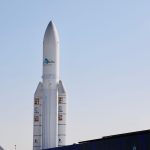

Gujarat space-tech startup PierSight has successfully completed key testing for its Varuna 2.0 maritime surveillance satellite, marking a significant achievement in the space industry.
Overview of Varuna 2.0
The Gujarat space-tech startup, PierSight, has recently achieved a significant milestone by completing key testing of its maritime surveillance satellite, Varuna 2.0. This innovative satellite is designed to enhance monitoring capabilities over vast oceanic regions, providing critical data for maritime security and environmental protection.
Varuna 2.0 incorporates advanced technologies that allow for real-time tracking of vessels, detection of illegal activities, and assessment of marine ecosystems. The satellite’s design reflects PierSight’s commitment to integrating cutting-edge technology with practical applications in the maritime domain.
During the testing phase, the satellite successfully demonstrated its ability to collect high-resolution imagery and transmit data back to earth with remarkable efficiency. This achievement is a testament to the expertise and dedication of the team at PierSight, a Gujarat space-tech startup that is rapidly gaining recognition in the industry.
Key features of Varuna 2.0 include:
- High-resolution imaging: Capable of capturing detailed images of maritime activities.
- Real-time data transmission: Ensures timely delivery of critical information.
- Advanced analytics: Uses AI to interpret data and identify patterns in maritime movements.
The successful testing of Varuna 2.0 positions PierSight at the forefront of the space-tech sector in India, paving the way for future innovations in satellite technology.
Importance of Maritime Surveillance
Maritime surveillance plays a crucial role in ensuring the safety and security of a nation’s waters. The ability to monitor and manage maritime activities is essential for various reasons, including the prevention of illegal fishing, smuggling, and piracy. With the advancements made by the Gujarat space-tech startup, PierSight, through their Varuna 2.0 satellite, the future of maritime monitoring looks promising.
The significance of effective maritime surveillance can be summarized in the following points:
- National Security: Continuous monitoring of maritime borders helps in the detection of unauthorized vessels, thereby safeguarding national interests.
- Environmental Protection: Surveillance capabilities enable authorities to track and respond to oil spills, illegal dumping, and other environmental hazards in real-time.
- Resource Management: By monitoring fishing activities, proper regulation can be enforced, ensuring sustainable use of marine resources.
- Disaster Response: In the event of natural disasters, maritime surveillance aids in coordinating rescue operations and assessing damage.
- International Cooperation: Enhanced surveillance capabilities foster collaboration between nations to combat transnational threats and share critical data.
As the Gujarat space-tech startup continues to innovate with technologies like Varuna 2.0, the potential for improved maritime oversight becomes increasingly attainable, paving the way for safer and more secure oceans.
Testing Phases of Varuna 2.0
The testing phases of the Varuna 2.0 satellite have marked a significant milestone for the Gujarat space-tech startup, PierSight. This advanced maritime surveillance satellite underwent a series of rigorous evaluations aimed at ensuring its operational readiness and effectiveness in real-world scenarios.
The initial phase involved a comprehensive performance assessment, where the satellite’s systems were tested under various conditions to simulate actual operational environments. The results demonstrated that Varuna 2.0 can withstand the challenges associated with maritime operations, including extreme weather conditions and communication interruptions.
Following the performance evaluation, the team moved on to the integration testing phase. This phase focused on ensuring that all components of the satellite function seamlessly together. The successful integration of its onboard systems is crucial for the satellite to execute its surveillance missions effectively.
Moreover, the final testing phase involved a series of simulations that replicated potential maritime scenarios. This allowed the team to analyze how Varuna 2.0 would respond to different maritime activities, including tracking vessels and detecting anomalies.
With these testing phases completed successfully, the Gujarat space-tech startup is now poised to enhance maritime safety and security on a global scale. The completion of these tests not only showcases PierSight’s innovative capabilities but also reflects the growing potential of India’s space industry in addressing critical challenges.
Future Plans for PierSight
As PierSight continues to make strides in the space-tech industry, the company has laid out ambitious future plans for the Varuna 2.0 satellite. Following the successful completion of its testing phases, the Gujarat space-tech startup aims to expand its capabilities and enhance maritime surveillance across various global regions.
Key components of PierSight’s future plans include:
- Enhanced Data Analytics: The startup plans to integrate advanced algorithms that will improve data processing and analytics, allowing for real-time updates and insights.
- Global Partnerships: PierSight is seeking to collaborate with international maritime organizations to broaden the reach and functionality of Varuna 2.0, ensuring better integration with existing surveillance systems.
- Launch of Additional Satellites: To create a more robust network, PierSight intends to launch additional satellites that will complement Varuna 2.0, enhancing coverage and data accuracy.
- Focus on Sustainability: The company is committed to developing eco-friendly technologies that minimize the environmental impact of satellite operations.
Through these initiatives, PierSight not only aims to solidify its position as a leader in the space-tech sector but also to contribute significantly to maritime safety and security worldwide. The future looks promising for this Gujarat space-tech startup as it gears up for the next phase of its journey.
Impact on Space Technology
The successful completion of the Varuna 2.0 testing by the Gujarat space-tech startup PierSight marks a significant milestone in the realm of space technology. This development not only enhances maritime surveillance capabilities but also sets a precedent for future innovations in the sector.
The implications of this achievement are far-reaching:
- Enhanced Surveillance: Varuna 2.0 is designed to provide real-time data for monitoring maritime activities, which is crucial for national security and environmental protection.
- Technological Advancement: The startup’s innovative approach has propelled the integration of advanced satellite technology, positioning Gujarat as a key player in the global space industry.
- Economic Growth: The success of Varuna 2.0 is expected to attract investment and foster collaboration, contributing to the local and national economy.
- Job Creation: As the startup expands, it will likely create numerous job opportunities in the fields of engineering, operations, and research.
Furthermore, the insights gained from the testing phases can lead to improvements in future satellite designs, paving the way for more sophisticated systems. This breakthrough not only highlights the potential of the Gujarat space-tech startup but also underscores the vital role of space technology in addressing contemporary challenges.
Gujarat’s Role in Space Innovation
Gujarat has emerged as a significant player in the field of space technology, particularly with the launch of innovative startups like PierSight. This Gujarat space-tech startup has proven its mettle through various successful projects, including the recent completion of testing for the Varuna 2.0 maritime surveillance satellite. The advancements made in this sector highlight the state’s commitment to fostering a robust ecosystem for space innovation.
Several factors contribute to Gujarat’s growing reputation in space technology:
- Government Support: The state government has established policies and initiatives aimed at promoting research and development in space tech.
- Collaborations: Partnerships with educational institutions and research organizations enhance the knowledge base and technical expertise within the region.
- Investment Opportunities: The influx of investments from both domestic and international sources has bolstered the startup environment, allowing for greater experimentation and innovation.
- Skilled Workforce: The presence of numerous engineering colleges and technical institutes ensures a steady supply of skilled professionals ready to tackle challenges in the space sector.
As Gujarat continues to nurture its space-tech startups, the achievements of PierSight and its Varuna 2.0 project serve as a testament to the state’s potential in revolutionizing maritime surveillance and beyond. This trajectory promises not only economic growth but also significant contributions to global space exploration efforts.
Challenges Faced by Startups
Gujarat space-tech startup PierSight has encountered several challenges on its journey to developing the Varuna 2.0 maritime surveillance satellite. These obstacles are not uncommon in the space technology sector, particularly for startups aiming to innovate in a highly competitive field.
- Funding Limitations: Securing adequate funding is a persistent challenge for many startups, including PierSight. Initial investments are crucial for research and development, but attracting investors often requires a proven track record.
- Technical Hurdles: The intricacies of satellite technology demand a skilled workforce and advanced equipment. PierSight has faced difficulties in sourcing the right talent and technology to meet its ambitious goals.
- Regulatory Compliance: Navigating the complex regulatory landscape surrounding space technology can be daunting. Ensuring compliance with national and international regulations has required significant time and resources.
- Market Competition: The space-tech industry is rapidly evolving, with numerous established players and emerging startups vying for the same market. PierSight must continuously innovate to maintain its competitive edge.
Despite these challenges, the perseverance of the team at this Gujarat space-tech startup has enabled them to push forward. The successful testing of Varuna 2.0 not only showcases their resilience but also highlights the potential of startups in contributing to advancements in space technology.
Photo by Vitaly Gariev on Pexels