









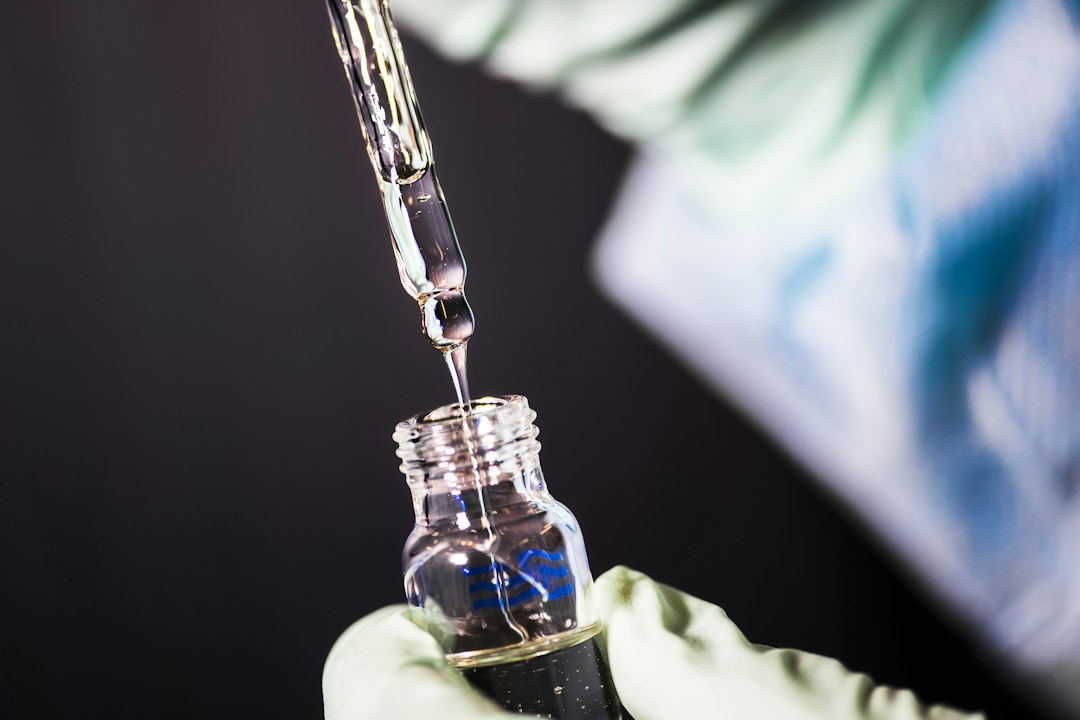
Muscle growth, recovery, and performance are at the center of every serious training program, and many athletes are now turning to scientific innovations to support their goals. Among these innovations, peptides for bodybuilding have become a widely discussed topic within fitness and performance communities. These compounds are often explored for their potential role in supporting muscle repair, recovery speed, and overall training capacity. While interest continues to grow, understanding what peptides actually are, how they may function, and what considerations athletes should keep in mind remains essential before exploring this category further.
This article answers some of the most common questions surrounding peptides and bodybuilding, presented in a straightforward and professional format.
What Are Peptides, and Why Are They Relevant to Bodybuilding?
Peptides are short chains of amino acids, the same building blocks that make up proteins in the human body. Because amino acids play a direct role in muscle tissue formation and repair, peptides have drawn attention from researchers and athletes interested in recovery and performance support. Unlike full proteins, peptides are smaller molecules, which some researchers believe may allow them to interact with the body in more targeted ways. This structural difference is part of why peptides are frequently discussed alongside traditional bodybuilding nutrition and training strategies.
How Might Peptides Support Muscle Recovery?
Recovery is one of the most demanding aspects of any strength training routine. Intense workouts create microscopic tears in muscle fibers, and the body’s ability to repair these fibers efficiently influences both performance and long-term progress. Some peptides are studied for their potential to support the body’s natural repair processes, which could, in theory, contribute to more efficient recovery between training sessions. Athletes who prioritize recovery often pair peptide research with proper sleep, hydration, and nutrition, since no single factor works in isolation.
Do Peptides Play a Role in Training Performance?
Training performance depends on a wide range of factors including strength, endurance, and consistency. Peptides are sometimes explored in research settings for their potential relationship to energy metabolism and tissue maintenance, both of which can influence how an athlete performs over time. However, performance outcomes are always shaped by a combination of variables, including training structure, discipline, and individual physiology. Peptides should be viewed as one piece of a much larger picture rather than a standalone solution.
What Should Athletes Consider Before Exploring Peptides?
Anyone considering peptides should prioritize education and caution. Research in this space is ongoing, and scientific understanding continues to evolve. It is important to consult with a qualified healthcare professional before making any decisions related to peptide use, especially given the complexity of individual health profiles. Athletes should also consider sourcing, quality control, and transparency when evaluating any product in this category, as consistency and safety standards can vary significantly.
How Do Peptides Fit Into a Broader Bodybuilding Strategy?
Successful bodybuilding outcomes are built on a foundation of structured training, balanced nutrition, adequate rest, and long-term consistency. Peptides, when discussed in this context, are typically viewed as a supplementary area of interest rather than a replacement for fundamental training principles. Athletes who approach their routines holistically, combining disciplined training with informed decision-making, are generally better positioned to achieve sustainable results over time.
Final Thoughts
Interest in peptides for bodybuilding continues to grow as athletes search for ways to support recovery and performance. While research in this area is ongoing, the most reliable path to progress still rests on proven fundamentals: consistent training, quality nutrition, sufficient rest, and informed guidance from qualified professionals. Staying educated and cautious ensures that any exploration of emerging topics like peptides is approached responsibly and with long-term health in mind.
Key Points
- Peptides are short chains of amino acids that can potentially support muscle repair and recovery in athletes.
- Some peptides may enhance the body’s natural recovery processes, which influences both performance and long-term progress.
- Training performance is affected by various factors, with peptides being one of many elements that may influence energy metabolism and tissue maintenance.
- Athletes should consult with healthcare professionals before using peptides and be aware of the importance of sourcing, quality control, and safety standards.
- Peptides should be considered a supplementary interest within a broader bodybuilding strategy that includes structured training and proper nutrition.