





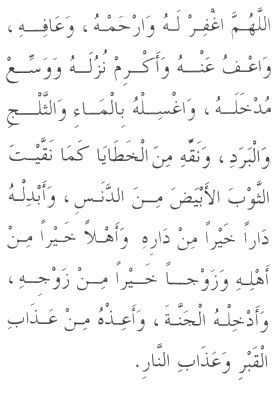
“Allahummaghfirlahu warhamhu meaning is a profound supplication in Islam, often recited in times of grief or loss. It translates to ‘O Allah, forgive him and have mercy on him.’ This powerful dua encapsulates the hope for forgiveness and mercy from the Almighty for the deceased individual. Understanding the depth and significance of these words can bring solace and peace to those mourning a loved one. Let’s delve deeper into the spiritual significance and comforting essence of this heartfelt prayer.”

Allahummaghfirlahu Warhamhu Meaning: Understanding the Islamic Prayer for Forgiveness and Mercy
One of the most beautiful and profound prayers in Islam is “Allahummaghfirlahu Warhamhu.” This phrase is often used by Muslims to seek forgiveness and mercy for themselves or others. In this article, we will delve deep into the meaning and significance of this powerful prayer, exploring its origins, implications, and how it can positively impact our lives.
The Meaning of Allahummaghfirlahu Warhamhu
Let’s break down the prayer “Allahummaghfirlahu Warhamhu” word by word to fully understand its profound significance:
Allahumma:
The term “Allahumma” is an Arabic word that is used to invoke Allah, the Almighty, in prayers. It is a way of addressing and calling upon Allah with reverence and humility.
Ghfir:
The word “Ghfir” comes from the root word “ghafara,” which means to forgive. When a Muslim says “Allahummaghfirlahu,” they are asking Allah to forgive the person they are praying for, whether it is themselves, a loved one, or someone else.
Warham:
The term “Warham” is derived from the word “rahma,” which means mercy. By saying “Warhamhu,” a Muslim is seeking Allah’s mercy and compassion for the individual mentioned in the prayer.
Putting it all together, “Allahummaghfirlahu Warhamhu” translates to “O Allah, forgive him and have mercy on him.” This prayer encapsulates the dual aspects of seeking forgiveness for past wrongdoings and asking for Allah’s compassion and kindness.
The Importance of Seeking Forgiveness and Mercy
In Islam, seeking forgiveness and mercy is central to spiritual growth and self-improvement. The act of acknowledging one’s mistakes, seeking repentance, and asking for Allah’s forgiveness is a sign of humility and sincerity.
When we say “Allahummaghfirlahu Warhamhu,” we are not only seeking forgiveness for ourselves or others but also acknowledging our reliance on Allah’s infinite mercy and compassion. It is a reminder that no matter how grave our sins may be, Allah’s forgiveness is always within reach for those who sincerely seek it.
The Power of Prayer in Islam
Prayer is a fundamental aspect of Islamic faith, serving as a direct link between a believer and Allah. Through prayer, Muslims express their gratitude, seek guidance, and ask for blessings from the Almighty.
When we recite “Allahummaghfirlahu Warhamhu” with sincerity and devotion, we are tapping into the transformative power of prayer. This humble supplication has the potential to purify our hearts, grant us peace of mind, and strengthen our connection with Allah.
Applying the Meaning of Allahummaghfirlahu Warhamhu in Daily Life
Now that we understand the profound meaning of “Allahummaghfirlahu Warhamhu,” how can we incorporate this powerful prayer into our daily lives?
First and foremost, we can recite this prayer regularly, especially during times of reflection and introspection. Whether seeking forgiveness for our own shortcomings or praying for the well-being of others, “Allahummaghfirlahu Warhamhu” can serve as a source of solace and spiritual renewal.
Additionally, we can strive to embody the values of forgiveness and mercy in our interactions with others. By extending kindness and compassion to those around us, we are mirroring the divine attributes of Allah and fostering a more harmonious and loving community.
In conclusion, the prayer “Allahummaghfirlahu Warhamhu” holds deep spiritual significance in Islam, embodying the values of forgiveness and mercy. By understanding and embracing the meaning of this powerful supplication, we can nurture our relationship with Allah, seek His forgiveness, and cultivate a more compassionate and empathetic outlook towards ourselves and others.
Remember, the doors of Allah’s mercy are always open to those who seek it sincerely. So, let us continue to supplicate with humility and devotion, trusting in the boundless compassion and forgiveness of our Creator.
May we all be enveloped in the divine mercy and forgiveness of Allah. Ameen.
Dua for the deceased | Mufti Menk | #shorts #islamicvideo #muftimenkreminders #muftimenk #dua #death
Frequently Asked Questions
What is the meaning of “Allahummaghfirlahu warhamhu”?
The phrase “Allahummaghfirlahu warhamhu” is an Arabic supplication commonly used to ask for forgiveness and mercy for a deceased person. “Allahummaghfirlahu” translates to “O Allah, forgive him”, while “warhamhu” means “and have mercy on him”. It is a way for Muslims to pray for the deceased and ask Allah to grant them forgiveness and mercy in the afterlife.
When should “Allahummaghfirlahu warhamhu” be used?
This phrase is typically used when referring to someone who has passed away. It is often recited upon hearing about the death of a person or when visiting the grave of a deceased loved one. Muslims believe that praying for forgiveness and mercy for the deceased can benefit them in the afterlife and bring peace to their souls.
Is it important to say “Allahummaghfirlahu warhamhu” for a deceased person?
While it is not obligatory in Islam to say this specific phrase, it is considered a good practice to pray for the forgiveness and mercy of a deceased person. By reciting “Allahummaghfirlahu warhamhu”, one is showing compassion and concern for the well-being of the departed soul. It is a way to express love and respect for the deceased and seek blessings for them in the hereafter.
Final Thoughts
In conclusion, ‘allahummaghfirlahu warhamhu meaning’ is a powerful phrase in Islam, invoking Allah’s forgiveness and mercy upon a deceased individual. This supplication highlights the importance of seeking divine mercy and forgiveness for the departed soul. It serves as a reminder of the compassion and grace that Allah extends to all believers. Remembering to recite this phrase is a way to honor and pray for the well-being of the deceased in the afterlife. Let us continue to offer our prayers and seek Allah’s forgiveness for all believers.