







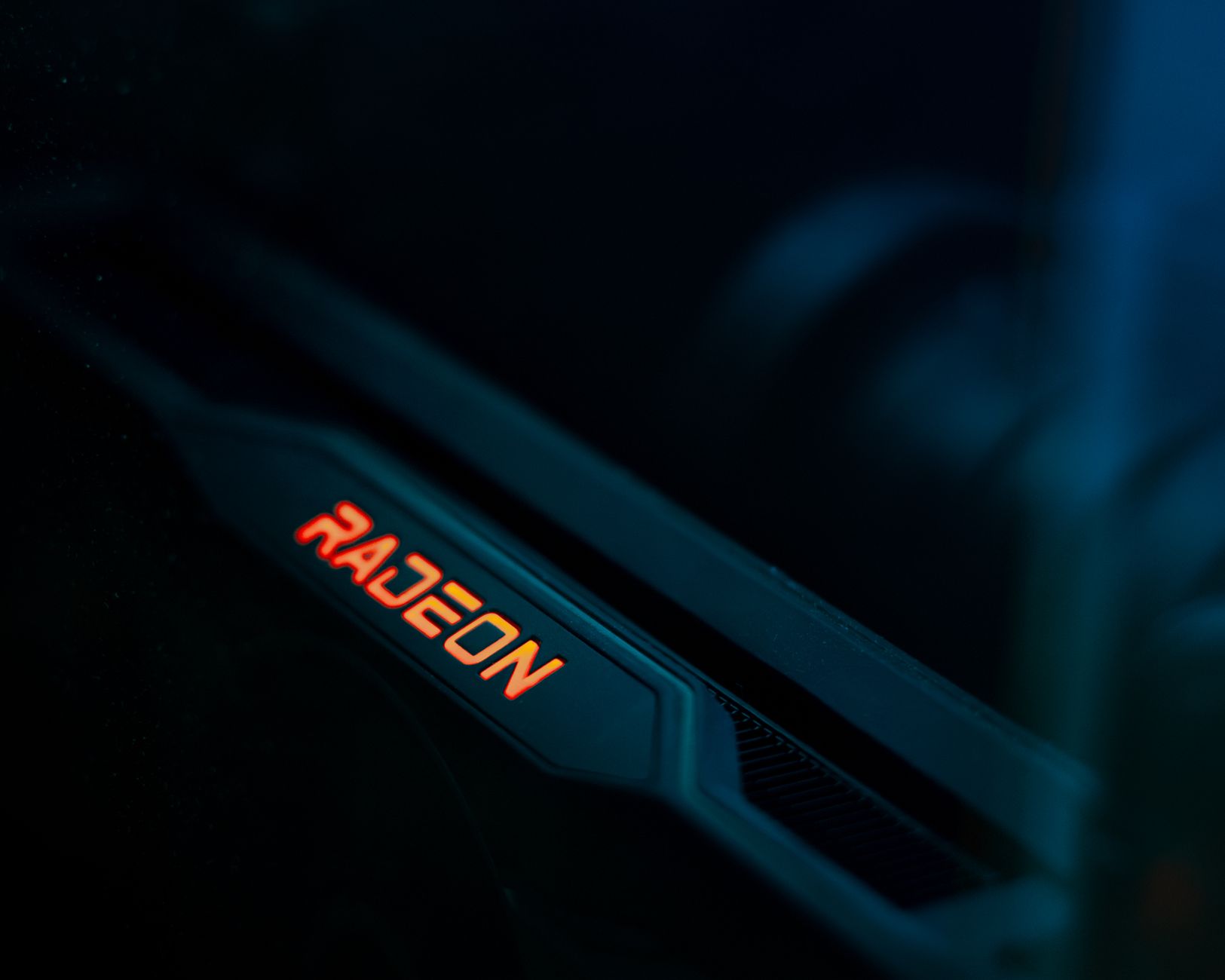
AMD graphics card price hike is on the horizon, according to recent leaks. This news has raised concerns among gamers and tech enthusiasts alike, as it could significantly affect the market.
What the Price Hike Means for Gamers
The recent announcement regarding the AMD graphics card price hike has sent shockwaves through the gaming community. As gamers gear up for the holiday season, this news could significantly impact their purchasing decisions.
The implications of the price increase are manifold:
- Budget Constraints: Many gamers operate within tight budgets, and any increase in prices may force them to reconsider their hardware choices.
- Market Competition: With AMD’s price hike, competitors may take advantage of the situation by offering promotional deals or bundles to attract customers.
- Performance vs. Cost: Gamers often weigh the performance of a graphics card against its cost. A price hike could lead to a perception that AMD cards are less competitive, pushing some towards alternatives.
- Long-term Investments: For those looking to invest in high-end gaming rigs, the increased prices might alter their timelines and expected returns on investment.
In summary, the AMD graphics card price hike is not just a financial concern but could also shift the dynamics of gaming hardware preferences in the upcoming months.
How AMD’s Pricing Strategy Affects Sales
The recent AMD graphics card price hike has raised concerns about the impact on sales and the overall gaming market. As the cost of these essential components increases, both new and existing gamers are feeling the pinch.
AMD’s pricing strategy appears to be a double-edged sword, aimed at maximizing profit while risking a potential decline in consumer interest. Some factors influencing this decision include:
- Increased production costs: Supply chain challenges and rising material costs have forced AMD to adjust their pricing models.
- Market competition: With competitors like NVIDIA maintaining competitive pricing, AMD must balance its offerings to retain market share.
- Consumer sentiment: Gamers may feel less inclined to invest in new hardware if prices continue to rise, leading to lower sales volumes.
As the AMD graphics card price hike unfolds, the ramifications for sales could be significant. If gamers perceive the value of these products to be diminishing, AMD may face a backlash that could ultimately affect their bottom line. The long-term effects of this strategy remain to be seen.
Expected Timeline for Price Changes
As the gaming community braces for the impending AMD graphics card price hike, many are left wondering when these changes will take effect. Recent leaks suggest that the adjustments could roll out as early as the fourth quarter of this year. This timeline aligns with AMD’s typical release cycle, which often coincides with the holiday shopping season.
Industry insiders believe that several factors contribute to this price increase, including supply chain constraints and rising production costs. Additionally, as competition in the graphics card market intensifies, AMD may look to reposition its products at higher price points to maximize profit margins.
While exact dates are still uncertain, analysts predict that consumers may see the first signs of increased prices around November. This timing could significantly impact holiday sales, as gamers and tech enthusiasts typically make purchases during this period.
In the meantime, potential buyers are advised to keep an eye on retail prices and consider purchasing sooner rather than later. In light of this expected price hike, it may be wise to explore alternative options or models that fit within budget constraints.
Impact on Motherboard Prices
The recent announcement regarding the AMD graphics card price hike has raised concerns not only among gamers but also for motherboard manufacturers and consumers alike. As AMD prepares to increase prices later this year, the ripple effects are expected to extend beyond just graphics cards.
Industry insiders suggest that the cost of motherboards may experience a significant rise as well. This connection is primarily due to the tighter integration of components and the demand for higher-performing motherboards that can support the latest AMD graphics cards.
In light of this impending price hike, several key factors are at play:
- Supply Chain Challenges: Ongoing global supply chain issues may exacerbate the situation, leading to further increases in production costs.
- Consumer Demand: As gamers look to upgrade their systems to accommodate the new pricing, demand for compatible motherboards may surge.
- Market Competition: Other manufacturers may adjust their prices in response, potentially inflating overall market costs.
This upcoming price shift could leave many gamers and PC builders reevaluating their upgrade plans as they brace for the financial impact.
Alternatives to AMD Graphics Cards
As gamers brace for the AMD graphics card price hike, many are exploring alternatives to maintain their gaming experience without breaking the bank. Thankfully, the market offers a variety of options that could be considered.
- NVIDIA GeForce Series: Known for their performance and reliability, NVIDIA’s range of graphics cards serves as a strong competitor to AMD. Models like the GeForce RTX 3060 and RTX 3070 provide excellent performance for gamers at varying budget levels.
- Older AMD Models: While new models may see price increases, older AMD graphics cards such as the RX 5700 XT or RX 580 could offer better value without the inflated prices of newer units.
- Used Market: The second-hand market can yield significant savings. Many gamers choose to sell their graphics cards when upgrading, providing opportunities to find high-quality options at lower prices.
- Integrated Graphics: For less demanding games, consider using integrated graphics available in modern CPUs, which can handle casual gaming without the need for an additional graphics card.
Exploring these alternatives may help gamers navigate the impending challenges posed by the AMD graphics card price hike.
Consumer Reactions to Price Increases
As news of the AMD graphics card price hike spreads, gamers and tech enthusiasts are voicing their frustrations across various platforms. Many consumers have taken to social media to express their disappointment and concern about the ongoing trend of rising prices.
In online forums, users are sharing their experiences with the escalating costs of both graphics cards and compatible components, highlighting the impact on their gaming budgets. Some common themes have emerged in the discussions:
- Frustration Over Affordability: Many gamers feel that the increasing prices make it difficult to upgrade or build new systems without breaking the bank.
- Concerns About Performance: Users are worried that higher prices may not correspond to significant improvements in performance, questioning whether the investment is worthwhile.
- Exploring Alternatives: With the AMD graphics card price hike, some consumers are actively seeking out alternative brands or older models that may offer better value for their money.
Overall, the sentiment among gamers reflects a growing concern that continued price increases could alienate a significant portion of the community, forcing many to reconsider their loyalty to AMD.
Future of AMD in the Graphics Market
The future of AMD in the graphics market appears uncertain as the latest reports indicate a potential price hike for AMD graphics cards later this year. This anticipated increase raises questions about the company’s competitive position against rivals like NVIDIA, which has already established a significant foothold in the gaming community.
As AMD adjusts its pricing strategy, it risks alienating its core customer base, which has long relied on the company for affordable yet powerful graphics solutions. The price hike could lead to a shift in consumer preferences, pushing gamers to consider alternatives, potentially impacting AMD’s market share.
Industry analysts suggest that AMD must innovate and enhance its product offerings to maintain relevance. If the company fails to address concerns around pricing, it may see a decline not only in graphics card sales but also in overall brand loyalty.
In light of recent leaks, many are left wondering whether AMD can recover and adapt to the evolving landscape of the gaming industry. The next few months will be crucial for understanding how these price changes will shape AMD’s future in the competitive graphics market.
The recent AMD graphics card price hike has left many gamers scrambling to adjust their budgets. As a result, the AMD graphics card price hike is expected to impact sales and availability in the coming months.
Photo by Nikolaos Kofidis on Pexels