









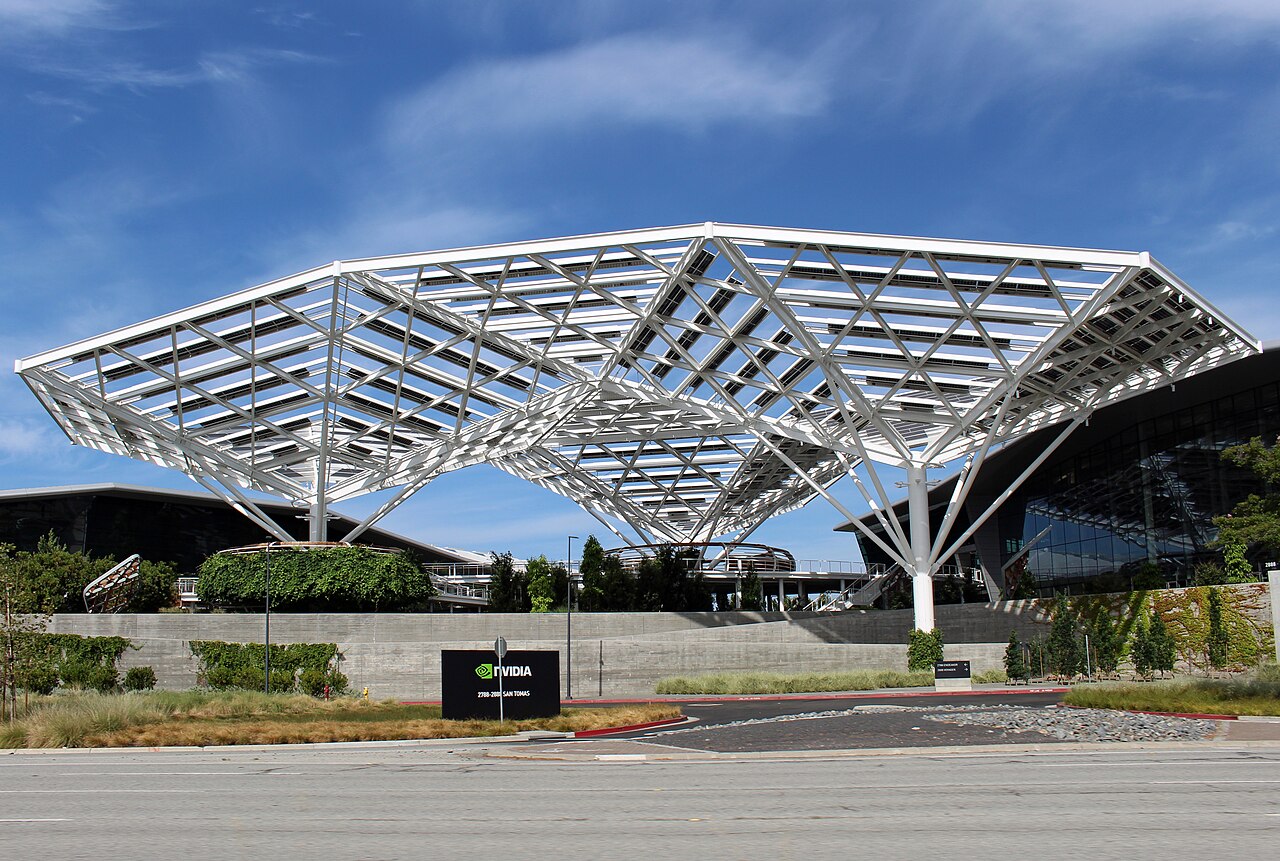
Autonomous AI agents are at the forefront of technological innovation, and Nvidia has just launched a platform to contain them. This new development promises to enhance the safety and efficiency of AI operations.
What Are Autonomous AI Agents?
Autonomous AI agents are advanced software programs designed to perform tasks without human intervention. These agents leverage machine learning, robotics, and artificial intelligence to analyze data, make decisions, and execute actions autonomously. Their applications span various industries, including healthcare, finance, and transportation, showcasing their versatility and potential for efficiency.
The core functionality of autonomous AI agents revolves around their ability to learn from their environments and adapt to new challenges. This learning capability allows them to optimize processes and improve performance over time. For instance, in logistics, these agents can manage supply chain operations, predicting demand and adjusting inventory levels accordingly.
Recent advancements have led to the integration of these agents into platforms that facilitate their deployment and management. With Nvidia’s latest launch, the focus shifts to enhancing the capabilities and usability of autonomous AI agents. The platform aims to provide developers and businesses with the tools needed to create, test, and implement these intelligent systems effectively.
As industries continue to embrace automation, the role of autonomous AI agents is expected to grow, paving the way for innovative solutions and improved operational efficiencies.
Nvidia’s New Platform Explained
Nvidia has unveiled a groundbreaking platform designed to facilitate the development and deployment of autonomous AI agents. This new platform aims to streamline the integration of AI technologies into various industries, enhancing efficiency and innovation.
Key features of Nvidia’s platform include:
- Scalability: The platform is built to support a wide range of applications, from small-scale projects to large enterprise solutions.
- High Performance: Leveraging Nvidia’s advanced GPU technology, the platform is optimized for rapid processing and real-time decision-making.
- User-Friendly Interface: Developers can easily navigate the platform, allowing for faster deployment and iteration of autonomous AI agents.
- Robust Security Measures: With the rise of AI technologies, Nvidia has emphasized security, ensuring that data and applications remain protected.
The introduction of this platform marks a significant step forward in the evolution of autonomous AI agents, providing developers with the tools necessary to create innovative solutions that can transform industries.
Benefits of Using Autonomous AI Agents
The launch of Nvidia’s new platform for autonomous AI agents brings several compelling benefits that can significantly enhance various industries.
- Increased Efficiency: Autonomous AI agents can automate routine tasks, allowing human workers to focus on more complex and creative responsibilities.
- Cost Reduction: By minimizing the need for manual intervention, businesses can reduce operational costs and improve their bottom line.
- Improved Accuracy: These agents utilize advanced algorithms to analyze data, resulting in higher accuracy and reduced errors compared to human intervention.
- Scalability: Organizations can quickly scale operations without the corresponding increase in workforce, as autonomous AI agents can handle larger volumes of work seamlessly.
- 24/7 Operation: Unlike human workers, autonomous AI agents can operate around the clock, providing continuous support and enhancing productivity.
These benefits position autonomous AI agents as a transformative force in technology, driving innovation and efficiency across multiple sectors. As companies increasingly adopt this technology, the potential for improved performance becomes undeniable.
Challenges in AI Agent Management
The emergence of autonomous AI agents has brought significant advancements, but managing these systems poses several challenges. As organizations adopt this technology, they must navigate various complexities to ensure effective deployment and operation.
One of the primary challenges is ensuring safety. Autonomous AI agents operate independently, which raises concerns about their decision-making processes and potential unintended consequences. Organizations must develop robust protocols to monitor and intervene when necessary.
Another issue is data management. Autonomous AI agents rely on vast amounts of data to learn and function effectively. Consequently, maintaining data quality and integrity is crucial, as poor data can lead to unreliable outcomes.
Additionally, there’s the challenge of integration with existing systems. Organizations often struggle to incorporate autonomous AI agents into their workflows without disrupting current processes.
Finally, regulatory compliance is an ongoing concern. As the technology evolves, so do the legal frameworks surrounding it, requiring constant adaptation and vigilance.
Ultimately, addressing these challenges is vital for organizations to fully leverage the potential of autonomous AI agents while minimizing risks.
Future of Autonomous AI Technology
The future of autonomous AI technology is poised for significant transformation as advancements continue to unfold. With the introduction of robust platforms designed to manage autonomous AI agents, the potential applications of this technology are expanding rapidly.
As industries embrace these innovations, several key trends are likely to shape the trajectory of autonomous AI:
- Increased Integration: Businesses are expected to integrate autonomous AI agents into various sectors, including healthcare, finance, and logistics, enhancing efficiency and decision-making.
- Enhanced Collaboration: Future developments may lead to improved collaboration between human workers and autonomous AI agents, creating hybrid teams that leverage the strengths of both.
- Regulatory Frameworks: As the use of autonomous AI technology expands, regulatory bodies will likely establish frameworks to ensure ethical and responsible deployment.
- Continuous Learning: Autonomous AI agents are expected to evolve with machine learning capabilities, allowing them to adapt to new challenges and improve over time.
In conclusion, the advancement of autonomous AI agents represents a critical step toward a future where technology and human expertise work seamlessly together.
How Nvidia is Leading in AI
Nvidia has emerged as a frontrunner in the realm of autonomous AI agents, showcasing its commitment to advancing technology that can operate independently and intelligently. The company’s latest platform is designed to harness the power of these agents, enabling them to perform complex tasks with minimal human intervention.
Key features of Nvidia’s platform include:
- Scalability: It allows businesses to deploy a multitude of autonomous AI agents simultaneously, thus optimizing resources and enhancing productivity.
- Interoperability: The platform supports integration with various existing systems, making it easier for companies to adopt and implement autonomous AI agents.
- Robust Security: Nvidia prioritizes safety, ensuring that the autonomous agents operate within secure environments to mitigate risks associated with AI deployment.
By leading the charge in this innovative space, Nvidia is not only setting industry standards but also paving the way for future advancements in autonomous technology. As companies increasingly recognize the potential of these agents, Nvidia’s platform positions itself as a vital resource for those looking to leverage AI effectively.
Conclusion: The Impact of Nvidia’s Platform
In conclusion, the launch of Nvidia’s platform marks a significant milestone in the development and management of autonomous AI agents. With its cutting-edge technology, this platform not only enhances the capabilities of AI agents but also addresses the pressing challenges associated with their management. As industries increasingly adopt these intelligent systems, the implications for efficiency and innovation are profound.
Key impacts of Nvidia’s platform include:
- Scalability: The platform allows organizations to deploy numerous autonomous AI agents simultaneously, maximizing productivity.
- Safety and Control: Enhanced monitoring features ensure that AI agents operate within safe parameters, reducing potential risks.
- Integration: Seamless compatibility with existing systems simplifies the implementation process for businesses.
- Cost Efficiency: By automating routine tasks, companies can redirect resources towards more strategic initiatives.
Overall, Nvidia’s commitment to advancing autonomous AI agents not only positions them at the forefront of technological innovation but also paves the way for a future where AI can operate independently and efficiently across various sectors.
via Wikimedia Commons
References
Operativ Məlumat Mərkəzi · Autonomous agent
Related stories
OPPO Reno16T features: Best compact phone with proven specs · Is AI in Personal Relationships the Wrong Choice for You? · OPPO Find X10 Pro Max: The Best Phone Launch You’ll Love