









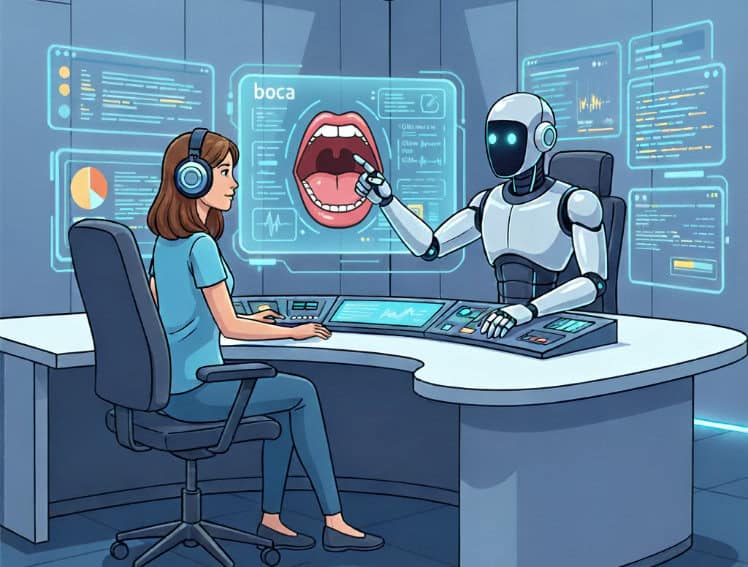
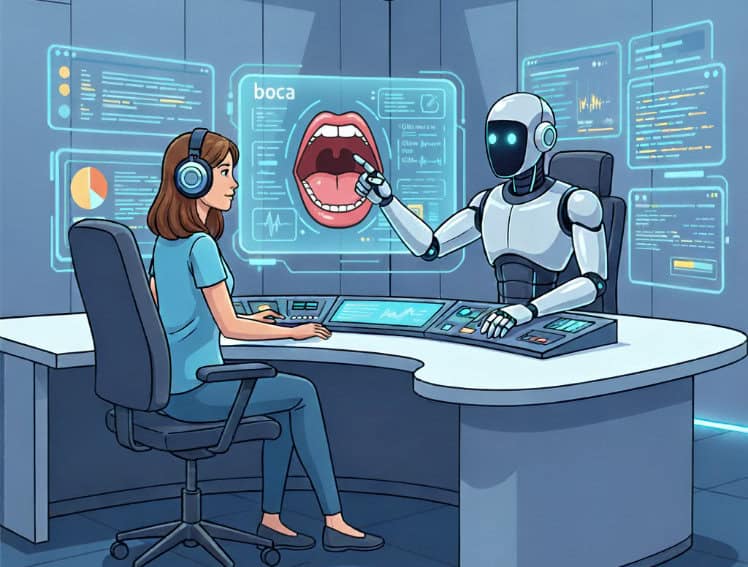
Artificial intelligence has transformed language learning by delivering personalized, adaptive experiences that traditional apps struggle to match. AI technology analyzes user performance, adapts lessons, predicts best japanese learning app needs, and provides real-time feedback. Research shows that adaptive systems, such as spaced repetition and conversational AI, can increase retention rates and learner engagement significantly compared to static learning methods. This makes AI-driven Japanese learning apps particularly effective for learners at every level, from complete beginners to advanced speakers.
Which AI Features Enhance Japanese Learning?
AI technology bolsters Japanese learning through interactive conversation practice, adaptive vocabulary reinforcement, and personalized lesson pathways. Intelligent tutors simulate real dialogue, adjusting difficulty based on learner responses. Spaced repetition systems (SRS) automatically schedule vocabulary reviews at optimal intervals, enhancing long-term retention. Combined with real-time pronunciation feedback and grammar correction, these AI features create measurable improvements in fluency and comprehension over time.
How Does AI Personalize Learning for Individuals?
Personalization is a core advantage of AI learning platforms. Unlike one-size-fits-all courses, AI assesses a learner’s strengths, weaknesses, and progress to tailor content dynamically. For example, some platforms analyze mistakes and adapt future lessons to target weak areas, helping learners improve faster. This data-driven approach ensures that learners spend more time mastering challenging topics while advancing steadily through the curriculum.
What Are Some Leading AI-Powered Japanese Learning Apps?
Kanao – Personalized AI Curriculum and Conversations
Kanao uses AI to create customized learning paths based on a student’s level and goals. The app combines traditional language methods with AI-driven features, including assessment-based progression and conversational practice. Learners can focus on travel, cultural contexts, or exam preparation, making the experience tailored and flexible. Its intelligent spaced repetition system helps ensure vocabulary retention over time.
Nekoto AI – Immersive Interactive Learning
Nekoto AI leverages interactive storylines and AI chat to teach Japanese in context. Learners can engage in real-world scenarios or fantasy adventures where they practice sentences and conversational structures in immersive settings. AI tutors adapt to responses, generating smart quizzes and scheduling reviews for optimal retention. This gamified approach boosts engagement and learning efficiency.
Fujiyama – AI-Driven Vocabulary Expansion
Fujiyama focuses on building robust vocabulary using AI to generate readings, meanings, and example sentences instantly. With native pronunciation and customizable flashcards, learners integrate new words into daily practice. AI-powered quizzes and listening exercises help strengthen memory and reinforce learning. This approach is especially effective for learners preparing for proficiency exams like the JLPT.
Meshclass – AI Tutor for Conversation and JLPT Prep
Meshclass offers a comprehensive curriculum that includes conversation, pronunciation, writing, and exam-oriented practice. The app’s AI tutors simulate real conversations and provide instant feedback on pronunciation and grammar, helping learners gain confidence in practical speaking skills. With structured lessons covering multiple levels, it supports both beginners and advanced learners.
Hanasu.ai – AI Chat-Based Conversation Practice
Hanasu.ai focuses on natural conversation as a key learning method. Learners chat with AI in Japanese on topics they care about, with instant corrections and vocabulary feedback. Integrated SRS review and contextual learning help reinforce new words and grammar structures, making study feel more organic and less rigid.
Why Is AI Conversational Practice So Effective?
Conversational AI simulates real interactions, giving learners the opportunity to practice speaking without pressure or judgment. Unlike static exercises, interactive chats adapt to the learner’s responses, making practice more engaging and relevant. Studies in language learning indicate that active use of language in context improves fluency and reduces anxiety when speaking with native speakers.
How Do AI Tools Support Long-Term Retention?
Spaced repetition systems (SRS) are essential for memorizing vocabulary and kanji efficiently. AI-enhanced SRS optimizes review schedules based on individual learner performance, minimizing forgetting and maximizing retention. This measurable improvement contrasts sharply with traditional textbook methods, which often review material at fixed intervals regardless of learner needs.
Can AI Apps Support All Levels of Learners?
Yes, one of AI’s key strengths is scalability. For beginners, AI can simplify complex grammar and provide bite-sized lessons. Advanced learners benefit from nuanced feedback, realistic dialogues, and JLPT-specific preparation content. AI adapts to each learner’s pace, ensuring appropriate challenge and steady progression.
Conclusion: Are AI-Powered Japanese Learning Apps Worth It?
AI technology dramatically enhances the language learning experience by personalizing lessons, simulating natural conversation, and optimizing memory retention. App platforms that leverage these innovations provide measurable learning gains and higher engagement compared to traditional methods. Whether you are just starting your Japanese journey or preparing for advanced proficiency, AI-powered apps offer dynamic, efficient, and effective tools to support your goals.