










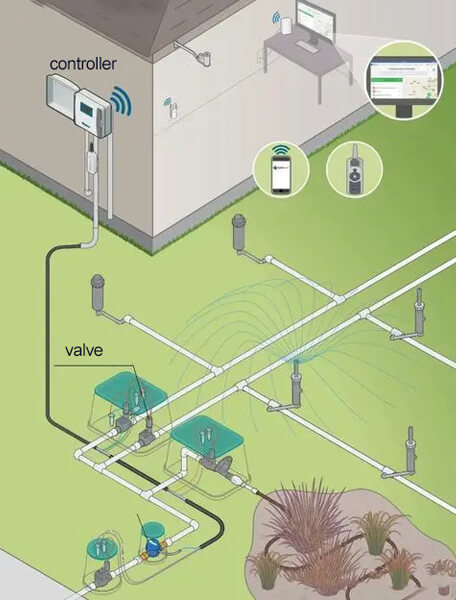
Efficient irrigation is a vital component of maintaining healthy lawns, gardens, and landscapes. Properly designed watering systems ensure that plants receive the right amount of water, minimize waste, and contribute to sustainable outdoor management. irrigation design software provides an innovative solution, offering user-friendly tools that help homeowners, contractors, and landscape designers configure systems, optimize water flow, and ensure layout accuracy.
Understanding Irrigation Design Software
Irrigation design software is a digital tool that enables users to plan, design, and manage watering systems with precision. Unlike traditional manual methods, which often rely on guesswork and on-site adjustments, this software provides data-driven insights to create efficient and reliable irrigation plans. Its features are tailored to meet the needs of both beginners and professionals, making it accessible for homeowners while powerful enough for contractors and landscape designers.
The software typically integrates mapping tools, water distribution calculations, and simulation capabilities. It allows users to input property dimensions, soil types, plant requirements, and environmental conditions. Using this data, the software generates detailed plans that outline the placement of sprinklers, drip lines, valves, and other components, ensuring full coverage and system efficiency.
System Configuration Made Simple
One of the key benefits of irrigation design software is its ability to simplify system configuration. Users can easily define zones, assign irrigation equipment, and adjust parameters such as flow rates, spray patterns, and run times. The intuitive interface guides users through the setup process, reducing errors and ensuring that the system meets specific landscape needs.
For contractors, this functionality streamlines the design process and allows for rapid planning of multiple projects. Homeowners benefit by gaining a clear understanding of how to implement and manage their irrigation systems effectively. Configurable templates and drag-and-drop tools make it possible to design complex systems without requiring extensive technical knowledge.
Optimizing Water Flow
Efficient water distribution is critical for healthy landscapes and sustainable water use. Irrigation design software calculates flow rates, pressure requirements, and sprinkler coverage to optimize water usage across all zones. This ensures that each area receives the appropriate amount of water while avoiding overwatering, runoff, and dry spots.
Water flow optimization also supports energy efficiency and cost savings. By identifying potential issues such as low pressure or excessive water demand, the software helps users make adjustments before installation, reducing waste and operational costs. For larger properties or commercial projects, this level of analysis is essential to maintaining system performance and conserving resources.
Ensuring Layout Accuracy
Accurate layout planning is another key feature of irrigation design software. The software provides digital mapping tools that allow users to visualize their property, mark plant locations, and plan irrigation components with precision. Measurements are precise, scaling is consistent, and adjustments can be made easily, ensuring that the final system aligns with the property’s layout and topography.
This accuracy minimizes installation errors, prevents conflicts between system components, and enhances the overall performance of the irrigation network. Visualization features also allow homeowners and contractors to see the planned system before implementation, improving communication and confidence in the design.
Supporting Maintenance and Adjustments
Beyond design and installation, irrigation design software assists with ongoing maintenance. Users can track watering schedules, monitor system performance, and make seasonal adjustments to meet changing environmental conditions. This proactive approach extends the life of the system, ensures plant health, and maintains water efficiency throughout the year.
Conclusion
Irrigation design software provides user-friendly tools that simplify system configuration, optimize water flow, and ensure layout accuracy for both residential and professional projects. By leveraging these capabilities, homeowners, contractors, and landscape designers can create efficient, reliable, and sustainable irrigation systems. The software not only improves installation and maintenance but also supports water conservation, cost savings, and long-term landscape health, making it an essential resource for modern irrigation planning.