






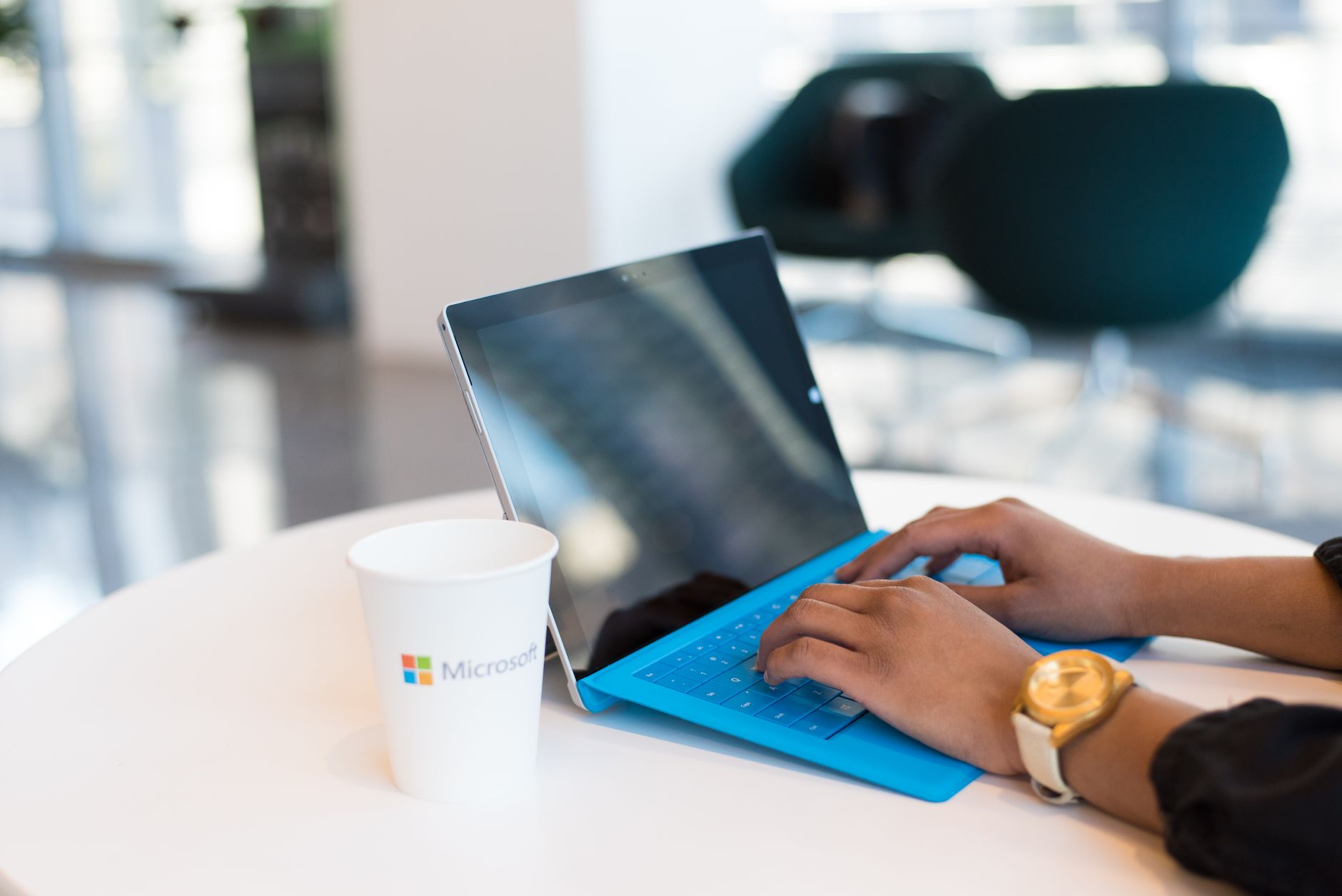
Microsoft AI expansion is making waves in the tech industry as it partners with NVIDIA RTX Spark to enhance local AI capabilities in laptops.
What is Microsoft’s AI expansion?
Microsoft’s AI expansion represents a significant leap in its commitment to enhancing artificial intelligence capabilities across various platforms. The company is actively collaborating with NVIDIA, utilizing the power of the new RTX Spark technology to bolster its AI offerings. This partnership aims to integrate advanced AI functionalities into Microsoft’s existing products and services, enabling a more robust user experience.
Key aspects of Microsoft’s AI expansion include:
- Enhanced Performance: The integration of NVIDIA’s RTX Spark is expected to dramatically improve processing speeds and efficiency for AI applications.
- Broader Accessibility: Microsoft aims to make AI tools more accessible to developers and businesses, fostering innovation across various industries.
- Focus on Local Solutions: With a shift towards local AI implementations, Microsoft is ensuring that users can leverage AI capabilities without relying heavily on cloud infrastructure.
This strategic move not only positions Microsoft as a leader in the AI landscape but also reflects its commitment to staying ahead in a rapidly evolving technological environment. As organizations increasingly seek to harness AI, Microsoft’s advancements promise to play a crucial role in shaping the future of intelligent solutions.
The role of NVIDIA RTX Spark
The recent collaboration between Microsoft and NVIDIA has highlighted the significant role of NVIDIA RTX Spark in the tech giant’s ongoing AI expansion. This partnership aims to enhance the capabilities of artificial intelligence, allowing Microsoft to leverage cutting-edge GPU technology for a range of applications.
NVIDIA RTX Spark is designed to accelerate AI workloads, providing Microsoft with the tools necessary to develop advanced machine learning models and deploy them more efficiently. By integrating this technology, Microsoft can improve the performance of its AI services and products, catering to both enterprise and consumer markets.
Key benefits of incorporating NVIDIA RTX Spark into Microsoft’s offerings include:
- Enhanced processing power: The RTX Spark technology allows for faster data processing and model training.
- Improved scalability: Microsoft can manage larger workloads and support more users simultaneously.
- Better efficiency: Optimized resource utilization reduces operational costs and energy consumption.
This strategic move not only boosts Microsoft’s AI capabilities but also positions the company as a leader in the evolving landscape of artificial intelligence, ensuring it stays competitive in a rapidly advancing sector.
Impact on Surface Ultra pricing
The recent announcement of Microsoft’s AI expansion has significant implications for the pricing of the Surface Ultra. As the company integrates NVIDIA RTX Spark technology into its products, the cost of manufacturing and the overall pricing strategy have come under scrutiny.
According to reports, the Surface Ultra is now priced up to $5,899, reflecting a rise due to increased memory costs. This development has raised concerns among consumers who may feel the pinch of higher prices in an already competitive market.
Analysts suggest that the integration of advanced AI capabilities could justify the price hike by enhancing functionality and performance. The Surface Ultra aims to leverage Microsoft’s AI expansion to deliver a more powerful user experience, particularly for professionals and creatives who rely on high-end specifications.
However, the steep pricing may also push potential buyers to consider alternative devices. The market reaction remains mixed, with some praising the innovation while others critique the cost.
- Increased demand for advanced features
- Potential shifts in consumer purchasing behavior
- Long-term impact on Microsoft’s market share
As Microsoft navigates this transition, the future of Surface Ultra pricing remains uncertain.
How memory costs affect laptops
The recent surge in memory costs has significant implications for the pricing and performance of laptops, particularly in the context of Microsoft’s AI expansion. As manufacturers grapple with rising expenses associated with memory components, the impact is felt across the entire spectrum of laptop offerings.
In particular, the introduction of high-performance GPUs, such as the NVIDIA RTX Spark, necessitates more advanced memory solutions to fully harness their capabilities. This creates a scenario where the cost of memory directly influences the overall pricing of laptops, including premium models like the Surface Ultra.
As users seek devices that can handle demanding applications powered by artificial intelligence, memory becomes a critical factor. The following points illustrate how memory costs can affect laptop choices:
- Increased Prices: Higher memory costs lead to elevated prices for laptops, making them less accessible to consumers.
- Performance Trade-offs: Manufacturers may opt for lower memory configurations to keep prices down, impacting performance.
- Investment in Quality: Users might be encouraged to invest in higher-end models to ensure sufficient memory for AI applications.
As Microsoft continues its AI expansion, understanding these dynamics will be crucial for consumers evaluating their options.
Future of local AI in tech
The future of local AI in tech is poised for significant transformation, especially with the strategic Microsoft AI expansion and integration of NVIDIA RTX Spark. As companies increasingly prioritize local processing power, the demand for advanced AI capabilities continues to grow. This shift not only enhances user experience but also addresses concerns regarding data privacy and latency.
Local AI enables organizations to run complex algorithms directly on devices, reducing reliance on cloud-based systems. This has several advantages, including:
- Faster Processing: Local AI can deliver real-time insights without the delays associated with cloud computing.
- Enhanced Security: Sensitive data remains on the device, minimizing the risk of data breaches during transmission.
- Cost Efficiency: By utilizing local resources, companies can save on ongoing cloud service fees.
With the introduction of NVIDIA RTX Spark, businesses are equipped with powerful tools to harness the potential of local AI. This development is likely to inspire further innovations, driving the tech industry towards a future where local processing becomes the norm rather than the exception.
Consumer reaction to new developments
As Microsoft continues its AI expansion with the integration of NVIDIA RTX Spark, consumer reactions have been varied and insightful. Many tech enthusiasts and professionals are expressing excitement about the potential of enhanced AI capabilities in everyday devices.
- Positive Feedback: Users are particularly thrilled about the promise of faster processing times and improved machine learning applications. This development is seen as a significant leap forward in making advanced AI tools accessible to a broader audience.
- Concerns Over Pricing: On the other hand, the pricing of the new Surface Ultra, which can reach up to $5,899, has raised eyebrows. Some consumers question whether the benefits of advanced AI features justify such a hefty price tag.
- Performance Expectations: Customers are also keen to see how the NVIDIA RTX Spark will enhance performance in real-world scenarios. Many hope that the promised improvements will significantly elevate their user experience.
Overall, while the Microsoft AI expansion is generating enthusiasm, it also brings to light the critical balance between innovation and affordability that consumers are eager to explore.
The Microsoft AI expansion is set to revolutionize how businesses leverage technology for efficiency and innovation. With the integration of NVIDIA RTX Spark, the Microsoft AI expansion promises to enhance computational power and accelerate AI development.
Photo by Christina Morillo on Pexels
Read the original
Related stories
Is the Surface Laptop Ultra the Best MacBook Pro Alternative? · AMD supply ramp 2027: Proven strategies for $38 billion revenue · OPPO Find X10: The Best Features You Need to Know