




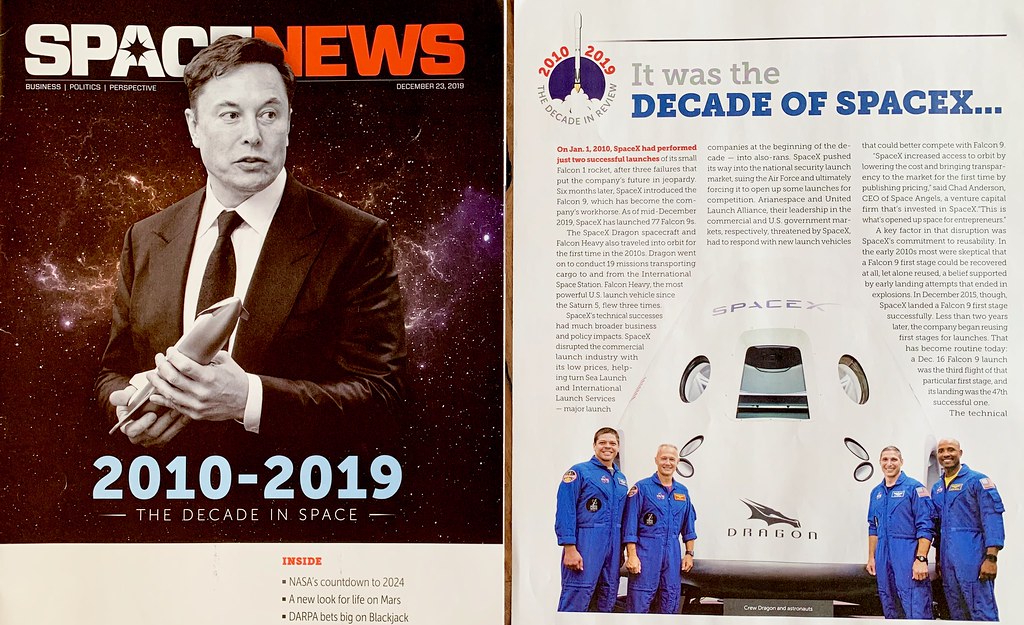
The SpaceX satellite plan has received US approval, allowing the company to launch one million satellites into orbit. This groundbreaking initiative promises to reshape global communication and internet access.
Overview of SpaceX’s satellite plan
SpaceX has recently received approval from the U.S. government to proceed with an ambitious plan involving the deployment of one million satellites into orbit. This groundbreaking initiative aims to enhance global internet coverage and connectivity, particularly in underserved regions.
The SpaceX satellite plan is designed to create a vast network of small satellites that can provide high-speed internet access to millions of users worldwide. By leveraging its expertise in rocket technology and satellite design, SpaceX intends to revolutionize the way people access the internet, making it more accessible and reliable.
Key components of the plan include:
- Rapid deployment: Utilizing reusable rocket technology to minimize costs and increase efficiency.
- Enhanced coverage: Ensuring internet access in remote and rural areas where traditional infrastructure is lacking.
- Global collaboration: Partnering with various organizations to expand the network’s reach.
Impact on global communication
The approval of SpaceX’s satellite plan is set to significantly impact global communication networks. With the potential launch of one million satellites, the initiative aims to enhance connectivity in both urban and rural areas around the world.
Industry experts believe that this extensive network will:
- Improve internet access: Millions of people in underserved regions will gain access to reliable internet, bridging the digital divide.
- Enhance disaster response: In times of natural disasters, the satellite network can provide essential communication services when traditional systems fail.
- Support IoT growth: The expansion will facilitate the growth of the Internet of Things (IoT), allowing for smarter cities and more efficient resource management.
As the SpaceX satellite plan unfolds, its effects on global communication will be closely monitored, with many anticipating a revolution in how information is transmitted around the globe.
Regulatory approval process
The regulatory approval process for SpaceX’s satellite plan has been a significant milestone in its ambition to launch one million satellites into orbit. The U.S. Federal Communications Commission (FCC) played a crucial role in this process, evaluating the potential impacts on space traffic and interference with existing satellites.
Following extensive reviews and discussions, the FCC granted SpaceX the necessary licenses, paving the way for the company to advance its project. This decision reflects the growing recognition of the importance of satellite technology in enhancing global communication.
However, the approval did not come without conditions. SpaceX must adhere to specific guidelines to ensure safe operations and mitigate risks associated with orbital debris. The company is expected to implement robust measures to monitor and manage its satellite constellation.
Moving forward, the successful execution of the regulatory approval process will be vital for the realization of SpaceX’s ambitious satellite plan, which aims to revolutionize connectivity worldwide.
Challenges faced by SpaceX
As SpaceX embarks on its ambitious satellite plan to launch one million satellites, it faces several significant challenges. These hurdles could impact the timeline and overall success of the initiative.
- Regulatory Hurdles: Navigating the complex landscape of international and domestic regulations remains a major obstacle. Each satellite requires approval from various authorities, which can lead to delays.
- Launch Capacity: With the need to deploy a vast number of satellites, SpaceX must ensure that its launch vehicles are capable of meeting the demand, balancing efficiency and safety.
- Space Debris Concerns: The potential for increased space debris poses environmental concerns, prompting the need for comprehensive risk assessments and mitigation strategies.
- Cultural and Political Pushback: Some communities are wary of the implications of a saturated orbital environment, leading to potential political and public relations challenges.
Addressing these challenges will be vital for the success of SpaceX’s satellite plan.
Future of satellite technology
The future of satellite technology is poised for a transformative shift, largely driven by SpaceX’s satellite plan. As the demand for global connectivity surges, innovative satellite networks are becoming increasingly essential. SpaceX aims to launch one million satellites, a bold strategy that could revolutionize internet access, especially in underserved regions.
A significant aspect of this plan is the potential for reducing latency and enhancing bandwidth capabilities. With thousands of satellites in low Earth orbit, users can expect faster and more reliable connections. Moreover, the integration of advanced technologies such as artificial intelligence and machine learning will further optimize satellite operations.
However, as SpaceX embarks on this ambitious journey, the industry must also address concerns about space debris and orbital congestion. Policymakers and tech leaders will need to collaborate closely to ensure that the advancement of satellite technology is sustainable and beneficial for all.
Public reaction to the plan
The recent US approval of SpaceX’s satellite plan to deploy one million satellites has ignited a wave of public reaction. Supporters praise the initiative for its potential to enhance global connectivity, particularly in underserved regions. They believe that the vast array of satellites could revolutionize internet access, making it more affordable and accessible to millions.
However, not everyone is enthusiastic about the initiative. Critics express concerns over the environmental impact and the risk of space debris. They argue that launching such a large number of satellites could lead to increased congestion in Earth’s orbit, potentially endangering existing satellites and space missions.
Additionally, some members of the public worry about the implications for privacy and data security, questioning how much control SpaceX will have over the data transmitted through its network.
As the conversation continues, the outcomes of SpaceX’s satellite plan remain a hot topic among stakeholders and the general public alike.
What this means for space exploration
The approval of SpaceX’s satellite plan marks a significant milestone in the realm of space exploration. By launching one million satellites, the company aims to create a comprehensive network that could transform our understanding of space and its resources. This ambitious initiative is expected to enhance data collection, enabling scientists to monitor environmental changes and celestial phenomena with unprecedented accuracy.
This extensive satellite deployment could also foster international collaboration, as countries may partner with SpaceX to utilize the technology for research and development purposes. Furthermore, the vast array of satellites may lead to advancements in navigation, weather forecasting, and disaster response.
As SpaceX moves forward with its satellite plan, the implications for both scientific discovery and everyday life are profound. The initiative signals a shift towards a more interconnected approach to space, where innovation and exploration go hand in hand, ultimately benefiting humanity as a whole.
The SpaceX satellite plan aims to revolutionize global internet access by deploying a vast network of satellites. With the ambitious goal of launching one million satellites, the SpaceX satellite plan could transform communication technology as we know it.
By jurvetson via Openverse
Where this came from
Related stories
Vivo X500 Series: The Best Smartphone with Proven Features · Schedule WhatsApp messages: The Best Simple Guide · Scheduled messages WhatsApp: The best new feature you need