








Vulcan Centaur rocket failure has caused a major setback in space missions, resulting in the loss of 40 Amazon satellites during its recent launch attempt.
Overview of the Vulcan Centaur Mission
The recent Vulcan Centaur rocket failure has captured global attention, marking a significant setback for the aerospace industry. This mission was intended to be a pivotal return-to-flight launch following previous delays and challenges faced by the launch vehicle.
The Vulcan Centaur was designed to carry a payload of 40 Amazon satellites into orbit, a crucial step in expanding Amazon’s satellite internet constellation, Project Kuiper. The launch was highly anticipated, as it promised to usher in a new era of satellite communication and broadband access worldwide.
However, during the launch sequence, a critical anomaly occurred, leading to the loss of the rocket and its payload. This incident has raised serious concerns regarding the reliability and safety of the Vulcan Centaur rocket, which was developed by United Launch Alliance (ULA). Engineers are currently analyzing data from the launch to determine the cause of the failure.
As the aerospace community processes this devastating event, discussions are underway about the implications for future launches and the potential delays in delivering internet services promised by the Amazon satellites.
- Launch date: October 2023
- Payload: 40 Amazon satellites
- Organization: United Launch Alliance (ULA)
Impact of the Launch Failure
The recent Vulcan Centaur rocket failure has sent shockwaves through the aerospace community, marking a significant setback for the United Launch Alliance (ULA). This mission was intended to showcase the rocket’s capabilities, but the unexpected failure resulted in the loss of 40 Amazon satellites, critical for the company’s ambitious Project Kuiper.
The impact of this launch failure extends beyond just the immediate loss of valuable payloads. Several key aspects are worth noting:
- Financial Repercussions: The estimated loss for ULA and Amazon is in the hundreds of millions of dollars, which could affect future funding and investment in similar projects.
- Delayed Timelines: The failure will likely push back the timeline for Amazon’s satellite deployment, affecting its plans to provide global internet coverage.
- Reevaluation of Safety Protocols: ULA will undergo a thorough investigation, which might lead to changes in safety measures and protocols for future launches.
- Industry Confidence: The incident raises questions about the reliability of new rocket technologies, impacting potential customers and contracts for ULA.
The consequences of this failure will resonate throughout the aerospace sector for years to come.
Details on the Lost Amazon Satellites
The recent Vulcan Centaur rocket failure resulted in the devastating loss of 40 Amazon satellites, which were intended to enhance global internet access and connectivity. The satellites were part of Amazon’s ambitious Project Kuiper, aimed at providing broadband service to underserved areas worldwide.
Details surrounding the launch reveal a series of unfortunate events that led to the rocket’s abrupt failure shortly after liftoff. Key points include:
- Launch Date: The mission took place on a clear day, with expectations running high among engineers and stakeholders.
- Technical Malfunction: Preliminary investigations indicate a critical issue with the rocket’s propulsion system that occurred within the initial minutes of flight.
- Satellite Specifications: Each of the 40 satellites was designed to operate in low Earth orbit, working in tandem to deliver high-speed internet services.
- Impact on Project Kuiper: This setback significantly delays Amazon’s plans, pushing back timelines for launching additional satellites.
The loss not only represents a financial setback but also raises questions about the reliability of the Vulcan Centaur rocket system moving forward.
Reactions from the Space Industry
The recent Vulcan Centaur rocket failure has sent shockwaves through the space industry, prompting a variety of reactions from experts and stakeholders. Many industry leaders expressed their disappointment and concern over the loss of 40 Amazon satellites, a substantial setback for both Amazon and the broader satellite communications market.
Several prominent figures took to social media to share their thoughts:
- Dr. Emily Carter, a leading aerospace engineer, stated, “This failure highlights the inherent risks of space exploration, but it is crucial that we learn from these setbacks.”
- Mark Turner, a space policy analyst, emphasized, “The Vulcan Centaur rocket failure may lead to increased scrutiny and regulations in the launch industry, impacting future missions.”
- Linda Garcia, CEO of a competing launch company, noted, “We stand in solidarity with our colleagues at United Launch Alliance. This is a challenging time for all of us.”
Experts agree that while the Vulcan Centaur rocket failure is a significant blow, it also serves as a reminder of the complexities and uncertainties involved in space launches, underscoring the need for continued innovation and improvement within the industry.
Next Steps for Vulcan Centaur
In the wake of the Vulcan Centaur rocket failure, stakeholders are now focusing on a series of critical next steps to address the challenges ahead. The immediate task for United Launch Alliance (ULA) is to conduct a thorough investigation into the factors that contributed to the launch mishap. This will involve an in-depth analysis of the rocket’s systems and data from the flight to ensure that any underlying issues are identified and rectified.
Additionally, ULA plans to improve its testing protocols to enhance the reliability of future launches. This could include more stringent checks on both hardware and software components used in the Vulcan Centaur rocket. The company is also expected to engage with regulatory bodies to ensure compliance with safety standards and to reassure customers of the rocket’s reliability.
Meanwhile, discussions are underway regarding the potential replacement of the lost Amazon satellites. This will not only involve financial considerations but also strategic planning to maintain the communication network’s integrity. As the space industry watches closely, the lessons learned from the Vulcan Centaur rocket failure will likely shape future missions and developments in launch technology.
Future of Rocket Launches After Setback
The recent Vulcan Centaur rocket failure has raised significant concerns regarding the future of rocket launches and the reliability of new space technologies. As companies invest heavily in next-generation vehicles, the stakes have never been higher. Experts suggest that the industry must take a step back and reassess safety protocols to regain public and investor confidence.
Key stakeholders are already discussing potential changes in the launch process, including:
- Enhanced Testing: Increasing the rigor of pre-launch testing to identify any potential issues before liftoff.
- Improved Safety Measures: Implementing new safety standards that prioritize risk mitigation during launches.
- Collaboration with Regulators: Working closely with regulatory bodies to ensure compliance and to address any emerging safety concerns.
Moreover, the failure of the Vulcan Centaur rocket has highlighted the importance of contingency planning for satellite deployments. As companies look to the future, they must balance innovation with proven methodologies to avoid repeating past mistakes. The lessons learned from this setback could ultimately shape the trajectory of space exploration and satellite launches in the years to come.
The investigation into the Vulcan Centaur rocket failure revealed a series of critical design flaws that contributed to the disaster. As experts analyze the data, the implications of the Vulcan Centaur rocket failure will likely reshape future launch protocols.
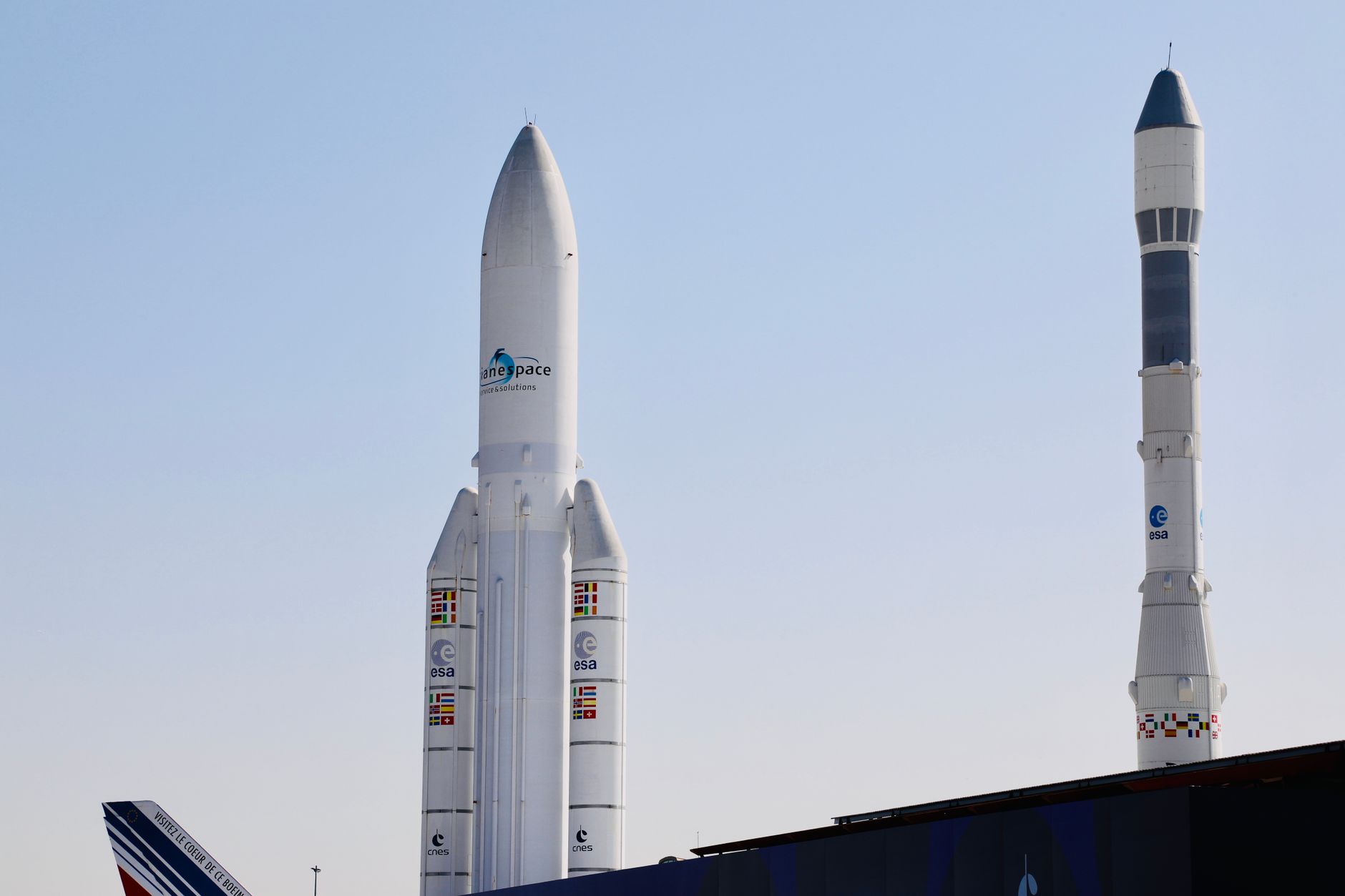
Photo by Léa Claisse on Pexels
Read the original
Related reading
APEC summit 2023: The Best Proven Strategies for ASEAN Diplomacy · SteamOS 3.10 Preview: Best Updates for AMD and Nvidia Graphics · Man I Just Wanna Live: Is This the Best Gaming Trailer Yet?